Thoughts on Plato's Allegory of the Cave
 |
| Image Source: https://metaphysicalbible.files.wordpress.com/2013/02/caveshadows-sxc824790_25483659.jpg |
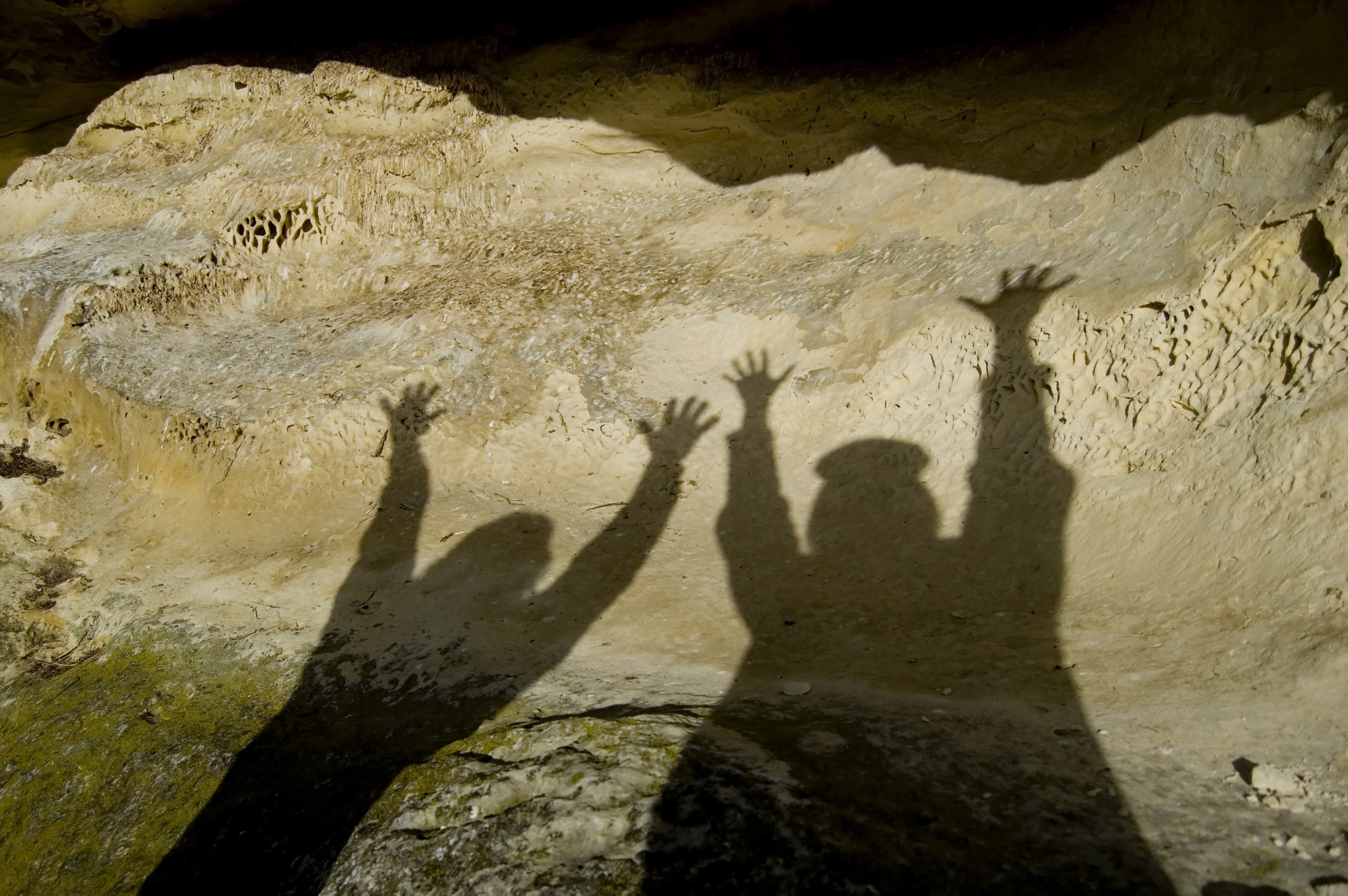
In Allegory of the Cave. Plato makes a comparison to prisoners that spend their lives in a cave,to those who are ignorant of the world around them. Plato was discussing the transfer of knowledge but there are a lot of similarities between the content of his writing and the media we consume in present day. He describes the cave shadows as a false reality, and many have described the media as such. "Then in every way such prisoners would deem reality to be nothing else then the shadows of artificial objects" (Plato, p 748). The prisoners that he describes are unable to turn their heads or their bodies as they are chained and can only see shadows of the people above the cave. They can hear noises but they cannot interpret the information. If a person is presented with information but they have lived in darkness for so long, they may not be able to understand it right away, it takes time and exposure to information and a willingness to be open to it.This is very similar to the experience that we have as a public. The shadows on the cave can be compared to the media images we see on TV or online. The images are merely a reflection of what exists in real life. If we only had exposure to these images and nothing else we would surely have a skewed idea about what exists. For instance, we receive snippets of news about various countries across the globe, and we make assumptions about these countries based on the images and commentary we take in. If we had never visited, say, Turkey, we might assume that airport bombings, military coups and protests are par for the course there. We would not be exposed to it's many cultural offerings, it's diverse peoples, and it's rich history. We only see a small, negative reflection of that country.
Our perceptions on people and places are often fixed until something causes us to turn our head and see the shadows for what they are. Like Plato's prisoners of the cave, our eyes might need some adjusting to the light(knowledge) until we can make out our world with clarity. Seeing things for how they really are, not just a reflection of them is the only true way to understand. I can look at a picture of a pear, read about the nutritional properties of a pear, hold it in my hand and even hear a person describe it's taste and texture. However, I would not be able to fully experience a pear until I tasted it for myself. My senses would not be fully engaged. The prisoners of the cave were only able to use their eyes and ears, but they couldn't touch the images, couldn't feel them, they could not fully experience them. This writing reminded me of being mindful and present in our lives. We are often distracted by our phones or TV's, or books, or other forms of Media instead of engaging in what is presently happening, and allowing our senses to take over. Plato understood that human-kind was not created to live in ignorance or darkness, but instead should move forward towards what is in the light: truth and awareness of the world around us.
 |
| Incredible illustration by Elizabeth Izcan |

No comments:
Post a Comment